
Caring for Scratches & Minor Dents — A Complete Guide for Car Owners
Shopping trolleys, tight parking spaces, a stray branch — cosmetic damage is almost unavoidable. Here's how to tell a light surface mark from a deep scratch, what's genuinely safe to handle at home, and when it's time to call a professional.
Not every mark on your car needs a body shop — but figuring out which ones do starts with knowing what you're actually looking at.
A shopping trolley, a careless parking manoeuvre, a small stone on the road, a tight parking space, or an accidental door impact can all leave marks on your vehicle. A small scratch or dent may not seem serious, but caring for your car's exterior properly helps maintain its appearance and stops minor surface problems from becoming more noticeable over time.
This guide covers how to care for scratches and minor dents, how to tell different types of damage apart, what's genuinely safe to do at home, common mistakes to avoid, and how BLACKBIRD car-care products fit into a routine that helps prevent additional surface marks.
What Causes Scratches and Minor Dents?
Your car's exterior is exposed to plenty of everyday sources of cosmetic damage — some avoidable, some not.
- Shopping carts & car doors
- Tree branches, bushes & plants
- Road debris & small stones
- Parking accidents & tight spaces
- Incorrect washing technique & dirty cloths
- Minor bumps, gravel & dust
Some marks stay on the surface; others penetrate the paint and reach deeper layers. Understanding which type you're dealing with is the first step toward deciding what to do next.
Understanding Different Types of Scratches
Surface / Clear-Coat Scratches
The lightest kind — fine lines, light swirl marks, or very shallow marks that haven't penetrated deeply. Primarily a cosmetic issue; proper cleaning and technique can help prevent further surface damage.
Paint-Level Scratches
Deeper — penetrates beyond the clear coat into the paint layer. Usually more visible and typically needs paint correction or touch-up work. Washing keeps it clean but won't restore missing paint.
Deep Scratches
A visibly different colour underneath, or damage reaching the underlying material. Usually needs professional inspection, paint correction, touch-up paint or panel refinishing — avoid aggressive DIY if you're unsure how deep it goes.
How to Check a Scratch Before Treating It
Remove dirt and road grime from around the scratch so you're looking at the actual damage, not contamination.
Use a clean microfiber cloth — a damp or dirty surface makes a scratch harder to judge accurately.
Look at the area from a few different angles; scratches can look very different depending on how light hits them.
Decide whether it looks like a light surface mark, a paint-level scratch, or a deep scratch. If you're unsure, a professional assessment beats experimenting with aggressive methods.
Caring for Light Scratches at Home
Remove loose dirt and road grime first — never rub a dusty surface aggressively, since trapped particles between cloth and paint can create additional marks. Use a suitable car shampoo and a clean microfiber cloth or wash tool.
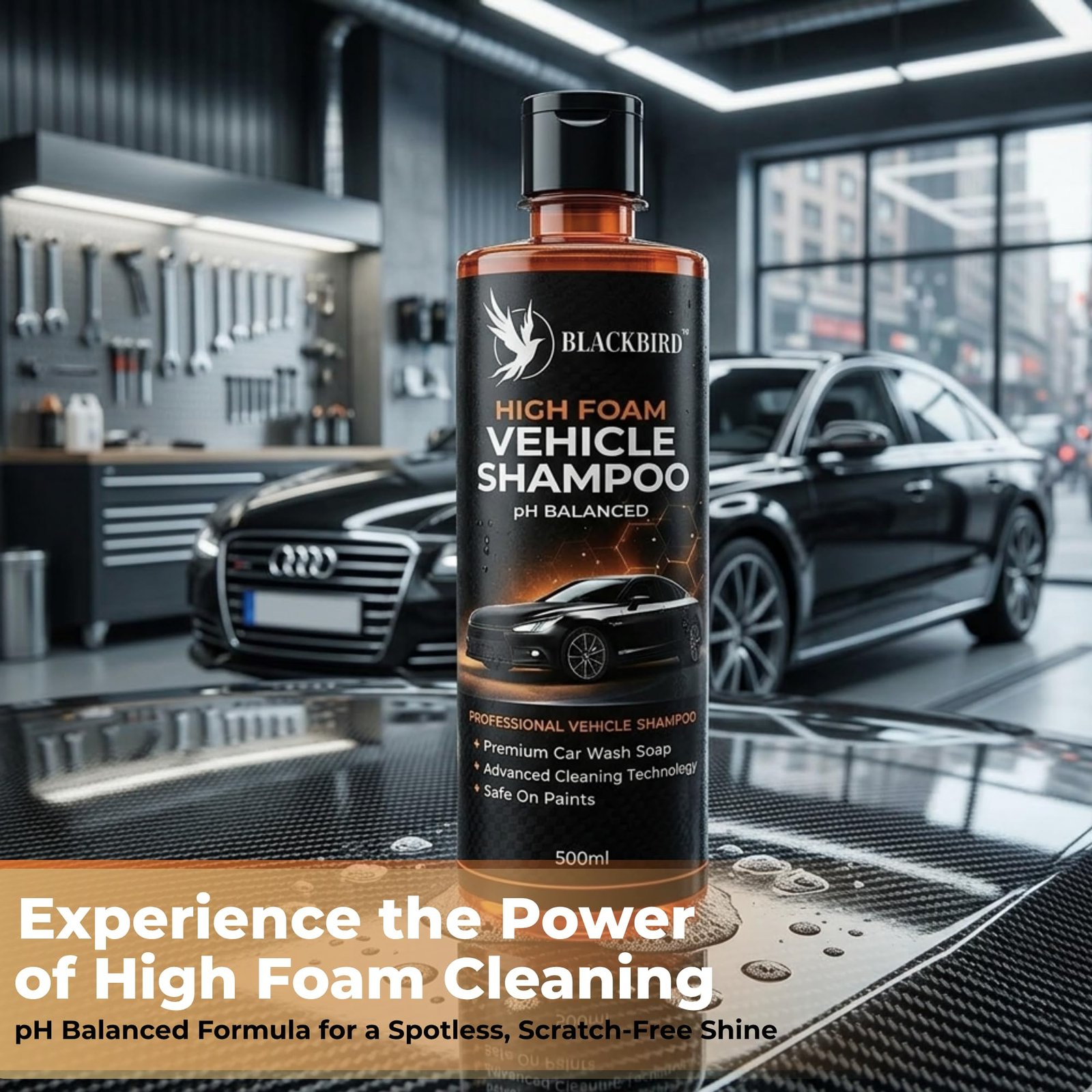
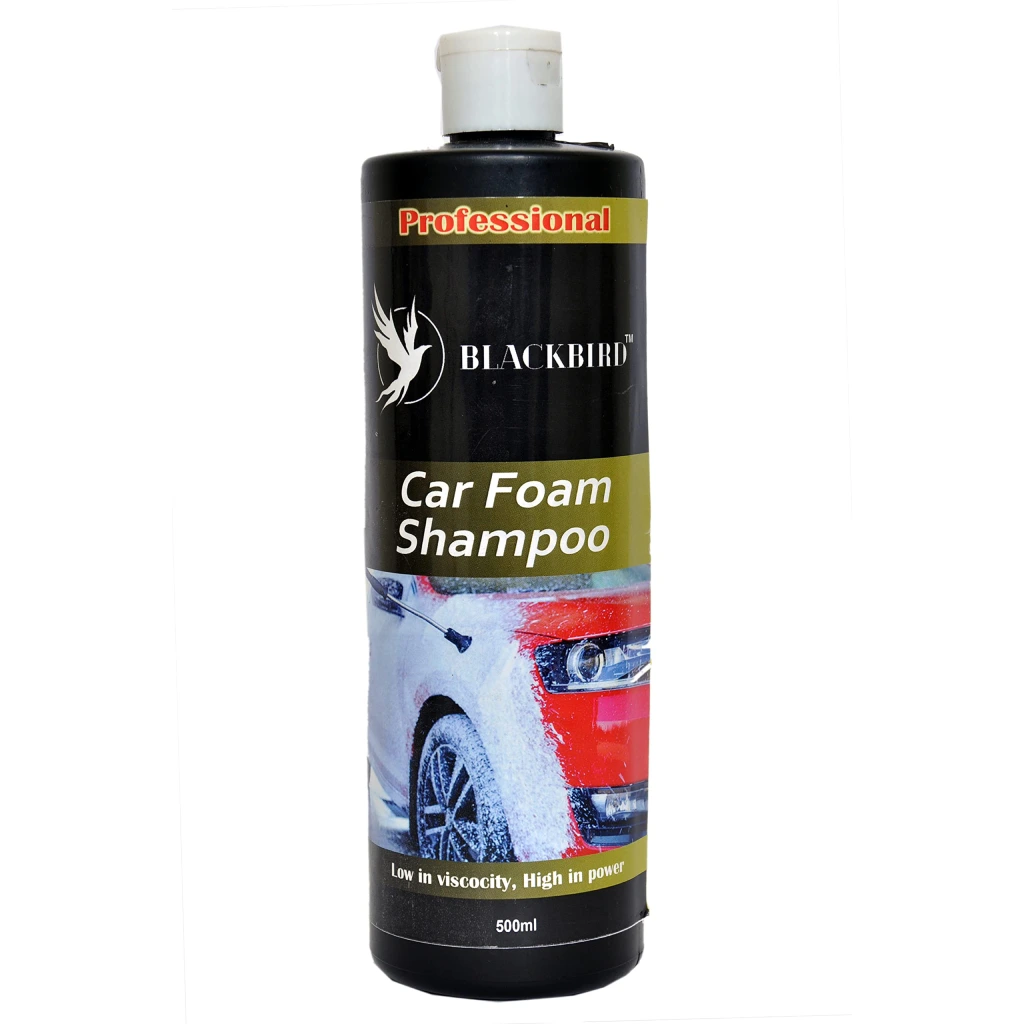
BLACKBIRD Concentrated Car & Bike Foam Shampoo 500ml
Part of your regular exterior-cleaning routine. The goal isn't to "wash away" a deep scratch — proper washing removes contamination so you can accurately assess the paint underneath.
Dirty or rough cloths can trap dust and particles that scratch paint further. Keep washing and drying cloths separate, never drop a cloth and keep using it, wash reusable cloths appropriately, and avoid heavily contaminated cloths on painted surfaces — technique matters as much as the product.
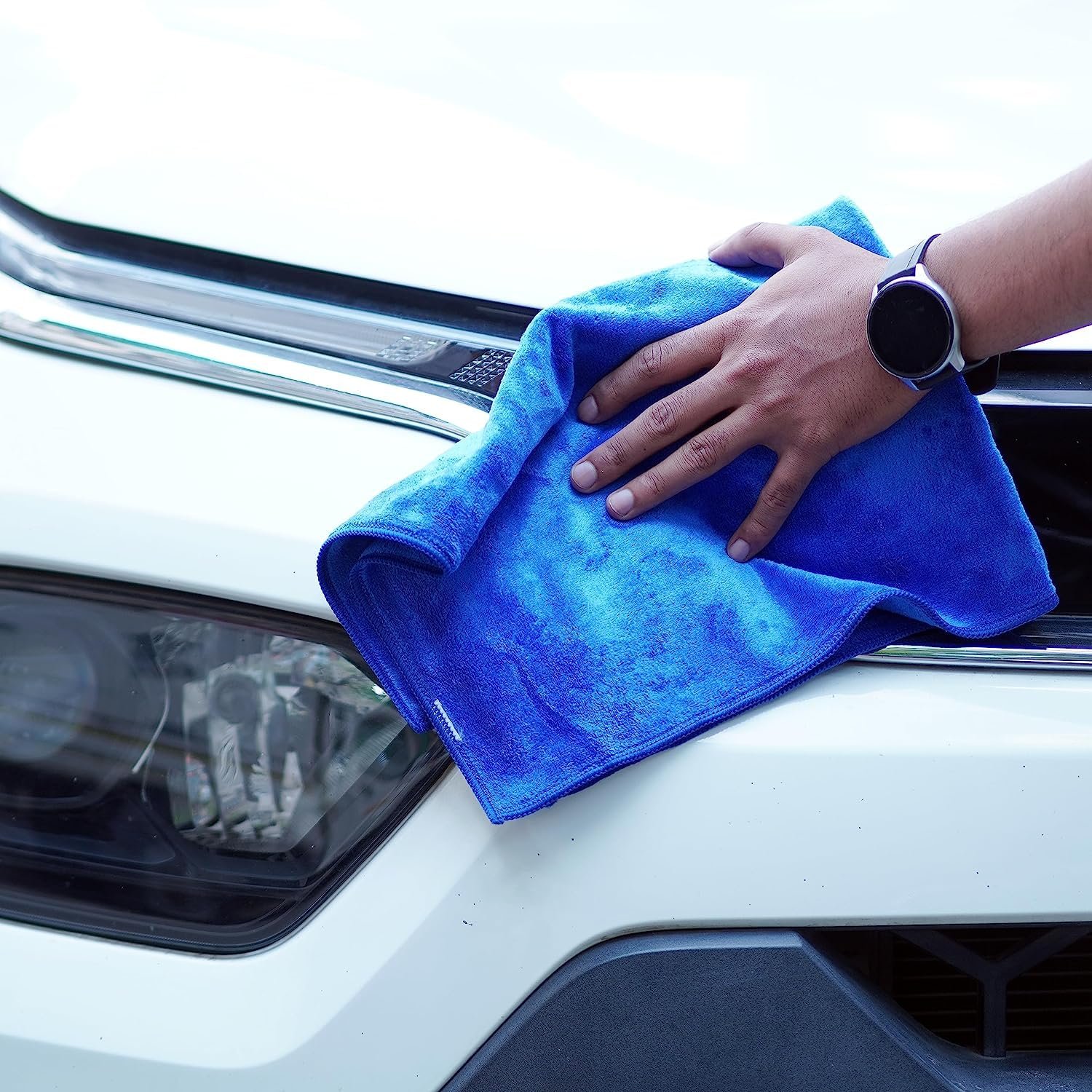
BLACKBIRD Microfiber Car & Bike Cleaning Cloth 450 GSM (40×60cm)
One of the simplest ways to avoid creating new scratches — soft, lint-free, and gentler on paint than a household towel.
Once washed, inspect the scratched area again and gently wipe away remaining residue with a clean cloth — avoid aggressive rubbing. If the mark is still visible after cleaning, it's likely an actual paint or clear-coat defect rather than dirt.
Polishing can improve certain light surface defects, but it's not appropriate to aggressively polish every scratch — if paint has actually been removed, polishing cannot replace it. Understand the type of scratch and follow product instructions carefully before using anything abrasive.
What About Minor Dents?
A dent affects the shape of the panel, while a scratch primarily affects the surface finish. A small dent can occur without major paint damage, but it can also come with scratched, chipped or cracked paint, creased metal, or distorted body lines. The right repair method depends on the location, depth, material and condition of the panel.
- Is the paint still intact?
- Is the dent shallow?
- Is there a sharp crease?
- Is the panel edge affected?
- Is the dent near a body line?
- Is the paint cracked or chipped?
If the paint is intact and the dent is shallow, a professional may be able to repair it with paintless dent repair.
When Should You Visit a Professional?
DIY cleaning is fine for basic care, but not every scratch or dent belongs at home. Consider professional help if:
- The scratch is deep or paint has been removed
- Bare metal is visible
- The panel has a sharp crease or is significantly distorted
- The dent is large or near a structural area
- The bumper or panel is cracked
- The damage affects lights, sensors or other components
- You're simply unsure about the damage
How to Prevent More Scratches
Dust and road grime accumulate on paint — regular cleaning keeps the exterior cleaner and helps you notice new damage sooner.
Avoid rough brushes or old cloths on painted surfaces — use suitable vehicle-cleaning products and clean microfiber materials.
Remove loose contamination first — aggressive rubbing drags trapped particles across the paint.
Avoid parking too close to shopping carts, bushes, narrow walls, high-traffic areas, tightly parked vehicles, and construction zones — a few extra seconds choosing a safer spot goes a long way.
A dirty microfiber cloth or contaminated wash tool can create the exact damage you're trying to prevent — clean your equipment regularly.
What About Rust After a Scratch?
A deep scratch that exposes underlying metal can create a corrosion risk, especially when exposed to moisture — this is different from a superficial clear-coat scratch. If bare metal is visible: clean the area carefully, keep it dry, avoid letting moisture sit on the exposed area, have the damage professionally assessed, and consider appropriate automotive touch-up or paint repair. Don't assume a general-purpose rust product is a substitute for proper paint repair.
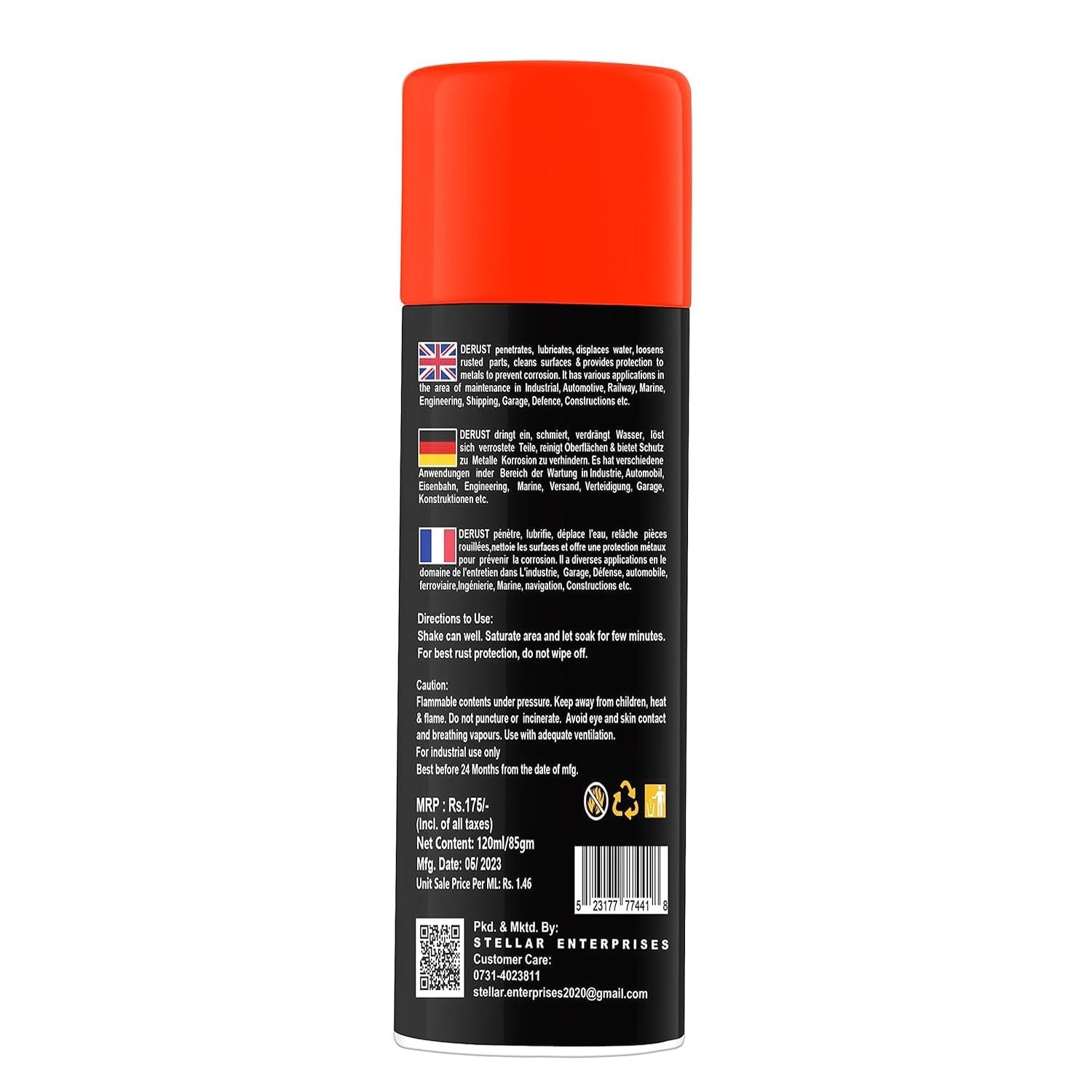
BLACKBIRD De-Rust Spray & Rust Loosener 120ML
Described for rusted nuts, bolts and metal parts — this is more relevant to suitable rusted metal components than to repairing painted body-panel scratches. Don't use a rust-loosening product on painted bodywork just because you see a scratch; for body-panel damage, use products intended for automotive paint repair or consult a professional.
Can You Actually DIY This?
Usually, yes
Proper cleaning and appropriate paint-care technique can often improve its appearance.
Sometimes
May need touch-up paint or paint correction beyond basic cleaning.
Usually not
Professional repair is the safer option once you're into this territory.
A scratch with exposed metal deserves prompt attention regardless of depth, to reduce the risk of corrosion and further damage. For minor dents: very shallow ones may be repairable with specialist techniques, but DIY dent-pulling can make things worse if done incorrectly — avoid aggressive pulling, hammering without proper knowledge, drilling holes, applying excessive heat, or using random household tools. If the dent sits near a body crease or the paint is damaged, get a professional assessment.
10 Common Mistakes When Caring for Scratches & Dents
Rubbing a scratch aggressively
Aggressive rubbing can worsen the appearance of a surface defect.
Using a dirty cloth
Contaminated cloths can introduce additional scratches.
Unchecked household chemicals
Not every household cleaner suits automotive paint.
Polishing a deep scratch away
Polishing cannot replace paint that's already been removed.
Ignoring exposed metal
A deep scratch exposing metal shouldn't just be left alone.
Pulling a dent blindly
Improper dent repair can create additional damage.
Rust loosener on painted bodywork
A de-rust product for metal parts isn't a scratch-repair product.
Washing with rough materials
Old towels or abrasive brushes contribute to new surface marks.
Skipping regular cleaning
A layer of dirt can hide new damage and age the car's look.
Ignoring professional repair when needed
Some cosmetic damage genuinely requires specialist tools and expertise.
Simple Scratch & Dent Care Checklist
BLACKBIRD Products for Exterior Care & Scratch Prevention
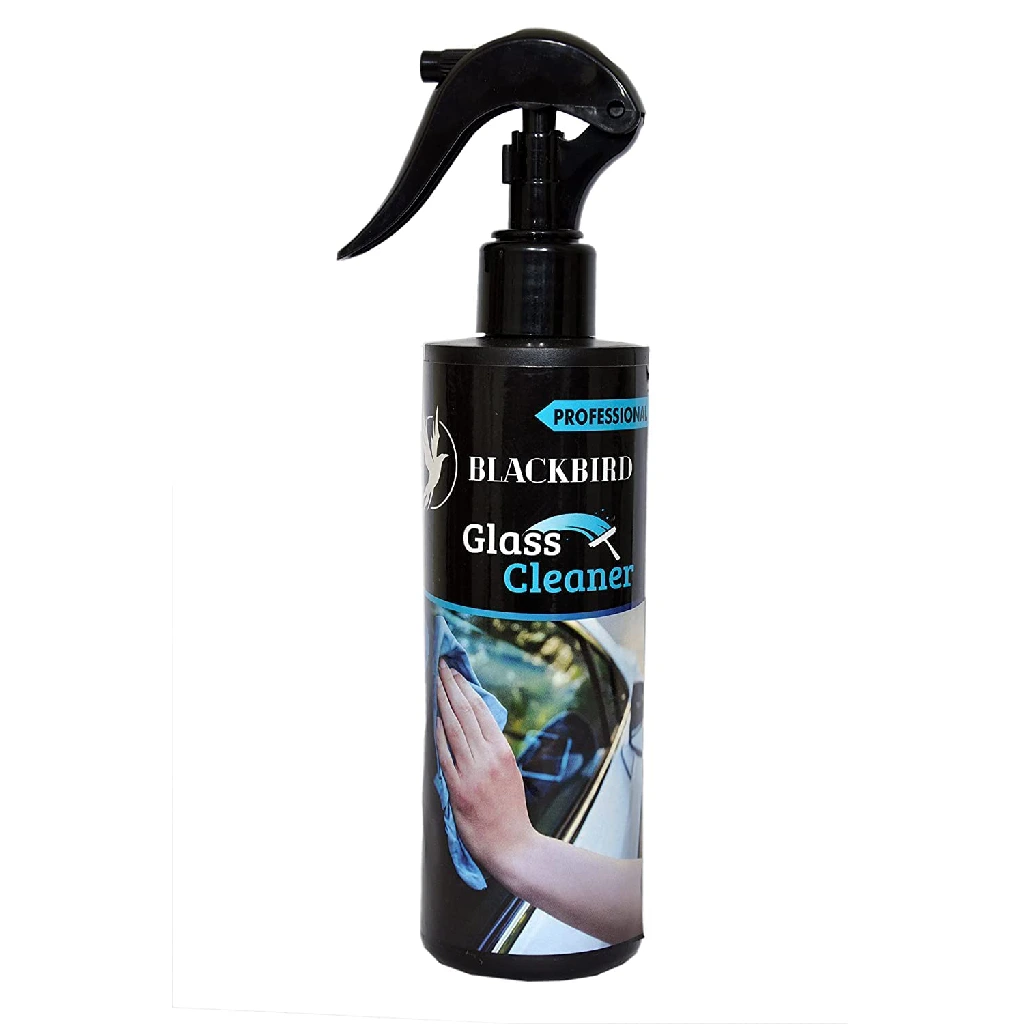
These won't repair a deep scratch or dent — but proper washing and drying technique is what actually helps prevent adding new ones. Real products, live from blackbirdcare.shop/shop.
Why Build Your Exterior-Care Routine Around BLACKBIRD
Your Trusted Destination for Car & Bike Care
BLACKBIRD offers high-quality cleaning, detailing and maintenance products designed to keep your vehicle looking its best — with a focus on quality, affordability and customer satisfaction.
None of these products repair a scratch or dent — but a clean, well-maintained exterior makes new damage easier to spot early and helps prevent avoidable marks from bad washing technique.
Frequently Asked Questions
Very light surface marks may sometimes improve through proper cleaning and paint-care technique. Deeper scratches that have removed paint generally need more specialized repair.
Washing removes dirt, road grime and surface contamination, but it can't repair an actual scratch in the paint.
A suitable automotive shampoo and clean microfiber materials — BLACKBIRD's Concentrated Car and Bike Foam Shampoo 500ml is one option in the Car Care range.
A clean, suitable microfiber cloth reduces the risk of creating additional marks compared with rough or contaminated materials — though technique and surface prep matter too.
Some shallow dents may suit specialist dent-repair techniques, but repairs without correct tools or experience can worsen the damage — get a professional assessment if you're unsure.
Keep the area clean and dry and have it professionally inspected — exposed metal is vulnerable to corrosion.
It's listed for rusted nuts, bolts and metal parts — it shouldn't be treated as a car-paint scratch remover.
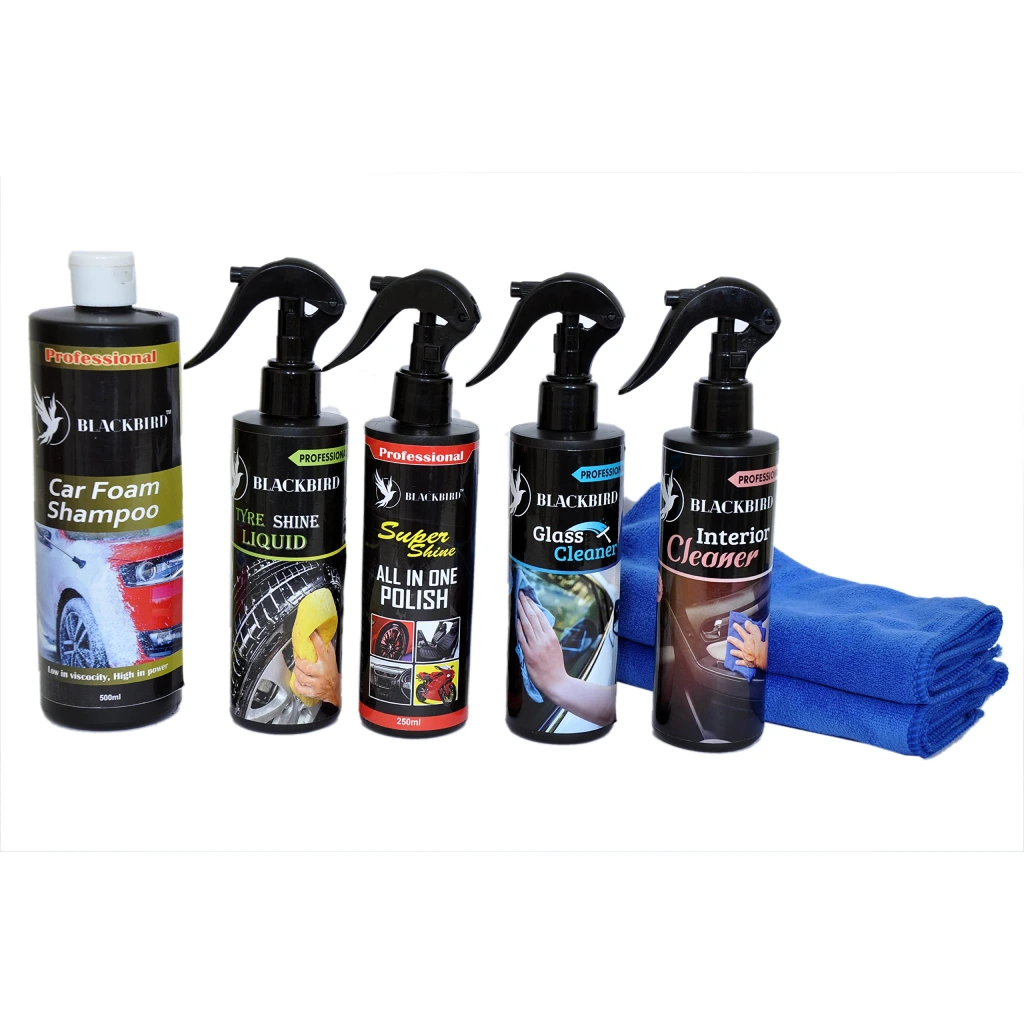
For a broader routine, the Car Care Kit of 7 is a strong pick as a complete cleaning and polishing set. For something simpler, the Car Exterior Kit of 4 covers the basics.
Build Your Car Care Routine
Genuine BLACKBIRD products for washing, drying and exterior maintenance — the routine that helps you catch and prevent cosmetic damage, delivered straight to your door.
Genuine Products · Direct From BLACKBIRD · Pan India Delivery