
Wiper Blades — Complete Guide to Choosing, Cleaning & Maintaining Your Car Wipers
Streaks, squeaking, skipping, smearing — most drivers ignore their wipers until visibility actually suffers. Here's how they work, 8 signs yours need attention, how to clean them properly, and how to prep before monsoon hits.
Most drivers don't think about their wipers until they stop working properly — by then you're usually finding out mid-downpour.
Your windshield is one of the most important parts of your car for visibility, and properly functioning wiper blades are what keep your view of the road clear — through heavy rain, dust, or just cleaning up after a long journey. Streaks, squeaking, skipping, smearing and reduced cleaning performance are all signs your wipers may need attention.
This guide covers what wiper blades do, how often to replace them, the warning signs to watch for, how to clean them properly, monsoon prep, and how BLACKBIRD's glass-care products fit into keeping your windshield clear.
What Are Wiper Blades — And Why They Matter
A typical wiper system includes the wiper arm, the blade itself, the rubber or synthetic wiping element, the connecting mechanism, and the windshield-wiper motor. When you activate the wipers, the motor moves the arms back and forth, and the blade's wiping edge stays in contact with the glass to clear water and debris from your field of vision.
Poor-quality or worn blades can leave water streaks, smears, hazy areas, unclean patches, skipped sections or residue — problems that get worse during heavy rain, night driving, strong sunlight, dusty conditions or monsoon weather. Even a small amount of residue can hurt visibility once it's combined with headlights, streetlights or sunlight glare.
8 Signs Your Wiper Blades Need Attention
Wiper streaks
The edge may not be making consistent contact — but check a dirty windshield or contaminated blade first.
Unclean areas left behind
Sections staying wet after the blade passes suggests wear, damage, or poor glass contact.
Squeaking sounds
Could be dirty glass, dirty blade, dry windshield, worn rubber or incorrect contact — clean first, inspect if it continues.
Wiper skipping
Jumping instead of moving smoothly points to a blade, contact, or mechanism issue.
Visible cracks
Cracks, splits, tears, hardened rubber or deformation — a clear reason to replace.
Smearing
Spreading dirt or oily residue instead of removing it — cleaning may help, but persistence suggests replacement.
Weak performance in rain
Don't wait for the next storm — test and check beforehand.
Hard or brittle rubber
Sun, heat, rain, dust and cold all deteriorate the wiping material over time.
How Often Should You Replace Wiper Blades?
There's no single universal interval — lifespan depends on climate, sun exposure, rainfall, dust, driving frequency, blade quality, windshield condition and maintenance. Many drivers inspect their wipers every few months and replace them when performance or condition calls for it.
How to Clean Wiper Blades at Home
Before replacing, try cleaning — poor performance is often dirt and contamination rather than a fully worn blade.
Lift it away from the windshield per your vehicle's design — be careful not to let the metal arm snap back onto the glass.
Look for dirt, dust, mud, cracks, tears or hardened sections. Significant damage means cleaning won't restore it — replacement may be needed.
Use a clean, soft microfiber cloth and a suitable cleaning solution, gently wiping along the rubber edge. Avoid aggressive chemicals that could damage the blade material.
Glass cleanliness matters just as much — a dirty windshield can make even a good blade perform poorly.
How to Clean Your Windshield Properly
Away from direct, intense sunlight when possible — this helps prevent cleaning products drying too quickly.
Clear loose dust and debris before wiping aggressively — large particles can create fine marks if rubbed across the glass.
Use an automotive glass cleaner as directed.
Work in sections rather than letting the cleaner dry completely before wiping.
Look through the windshield from inside and outside for streaks, smears, oily residue or missed areas — repeat if necessary.
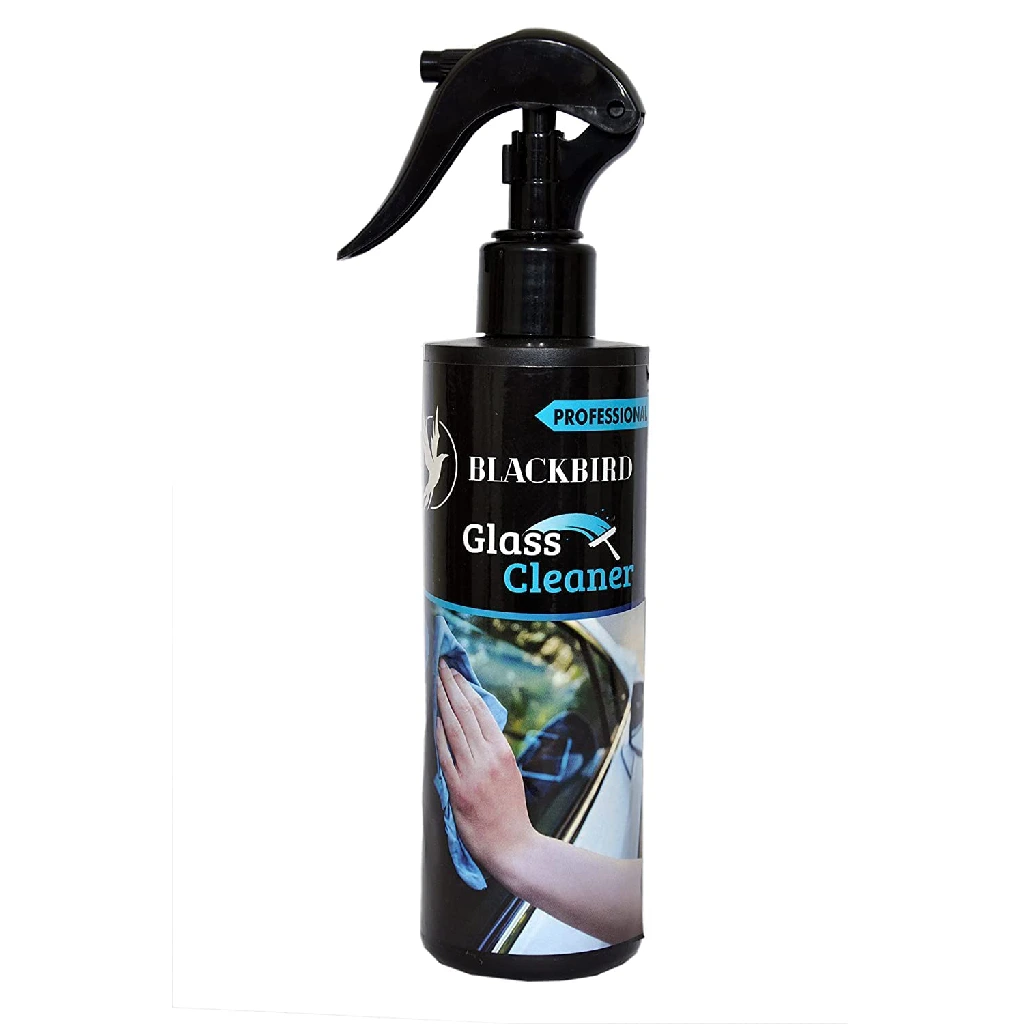
BLACKBIRD Car Glass & Surface Cleaner Spray 250ml
A clean windshield lets your wiper blades work against a cleaner surface, and helps you tell whether streaking is coming from the glass, contamination, or the blade itself.
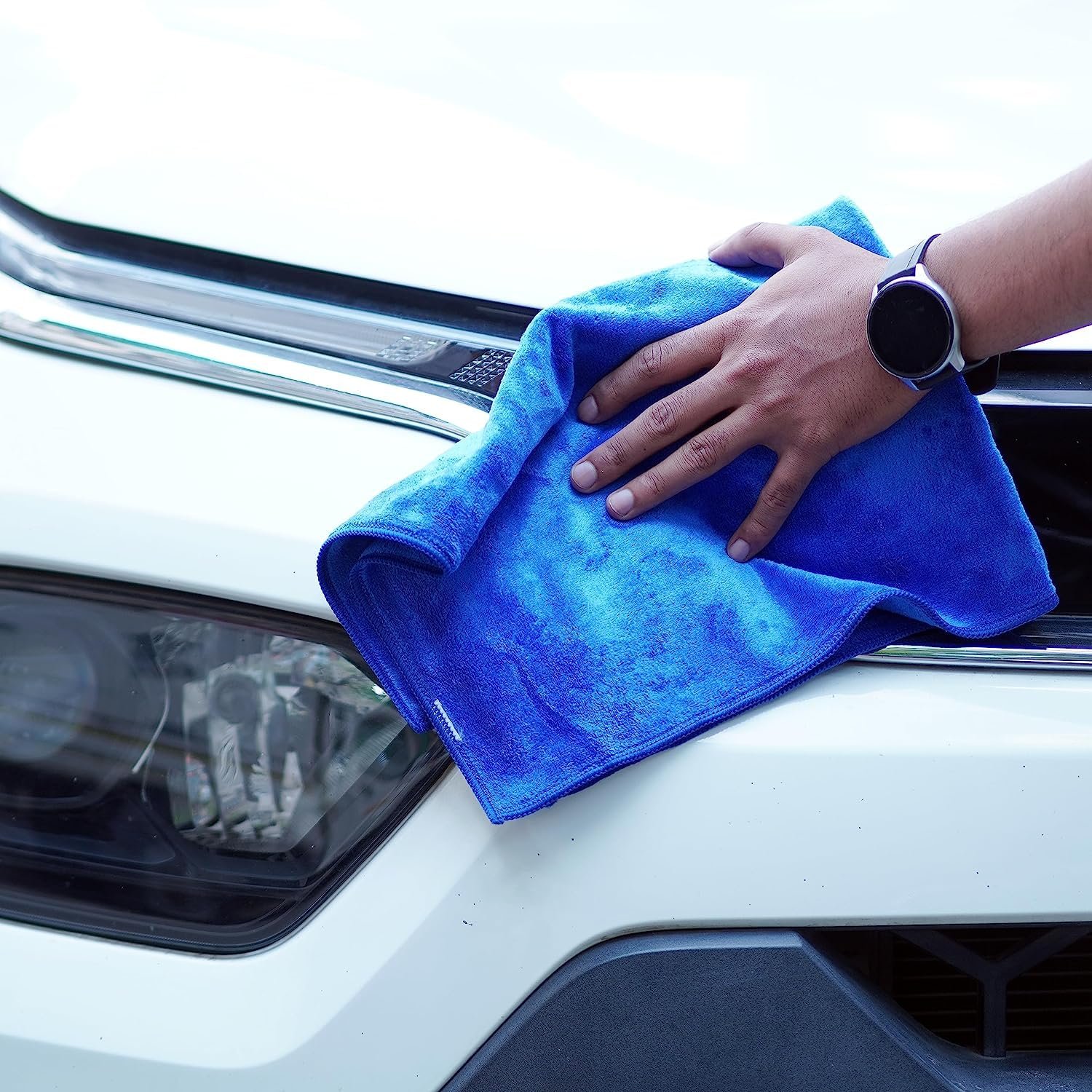
BLACKBIRD 450 GSM Microfiber Cleaning Cloth (40×60cm)
A dirty or rough cloth leaves behind dust, fibres, residue and smears. Keep a dedicated glass cloth separate from heavily dirty exterior-cleaning cloths.
Wiper Blade Maintenance Tips
- Keep the windshield clean — don't rely on wipers to clean a heavily dirty glass; use a glass cleaner regularly instead.
- Clean the blades periodically — inspect and wipe away accumulated dust and grime.
- Don't run wipers on dry, dirty glass — this drags particles across the surface; use washer fluid first.
- Clear ice or heavy debris before using wipers — never force them across frozen or obstructed glass.
- Check the wiper arm too — inspect for damage, corrosion, loose connections or abnormal movement, and consult a technician if the mechanism itself isn't working right.
Wiper Blades During Monsoon Season
Monsoon conditions put extra demand on your wiper system. Before the rains start, check blade condition, windshield cleanliness, washer-fluid level, wiper operation and wiper-arm movement — don't wait until heavy rain to discover your wipers are streaking.
Choosing Replacement Wiper Blades
When replacement becomes necessary, don't just buy the first blade you see — check your manufacturer's recommended blade size, blade type, connector type, front/rear application and vehicle compatibility. Different vehicles need different blade lengths and attachment mechanisms.
Conventional Wiper Blades
A framed structure that supports the wiping element — the traditional design.
Beam Wiper Blades
A more flexible design intended to maintain contact with curved windshields.
Neither type is automatically best for every vehicle — the right choice depends on your car and the manufacturer's recommended specifications. Replacing both front blades together is often practical since they experience similar conditions, but inspect both first; rear wiper blades are separate and may have different specifications.
Wiper Problems vs. Windshield Problems
Sometimes the wipers get blamed for a problem that's actually the windshield. Streaking can come from an oil film, dirt, wax residue, hard-water deposits, contamination, or scratches and glass damage — which is why cleaning the windshield should be one of your first troubleshooting steps. If the glass stays hazy or damaged after cleaning, a professional inspection may be appropriate.
Common Wiper Blade Mistakes
Using dirty wipers
Dirty blades spread contamination across the windshield.
Ignoring streaks
Persistent streaking reduces visibility, especially in rain.
Unchecked household chemicals
Some may not suit automotive glass or wiper materials.
Running wipers over dry dirt
Drags abrasive particles across the windshield.
Releasing the arm carelessly
A dropped wiper arm can hit and damage the windshield.
Using damaged blades
Cracked or torn blades should be replaced, not ignored.
Ignoring washer fluid
Keep the reservoir filled with suitable automotive fluid.
Buying the wrong size
Always confirm your vehicle's recommended dimensions & connector.
A Simple Windshield Maintenance Routine
Weekly
- Check the windshield
- Clean visible dirt
- Inspect wiper blades
- Check washer-fluid level
Before Heavy Rain
- Test the wipers
- Clean the windshield
- Inspect blade condition
- Confirm washer fluid is available
Every Few Months
- Inspect the wiping edge
- Look for cracks or hardening
- Check wiper-arm operation
- Replace worn blades
Quick Wiper Blade Maintenance Checklist
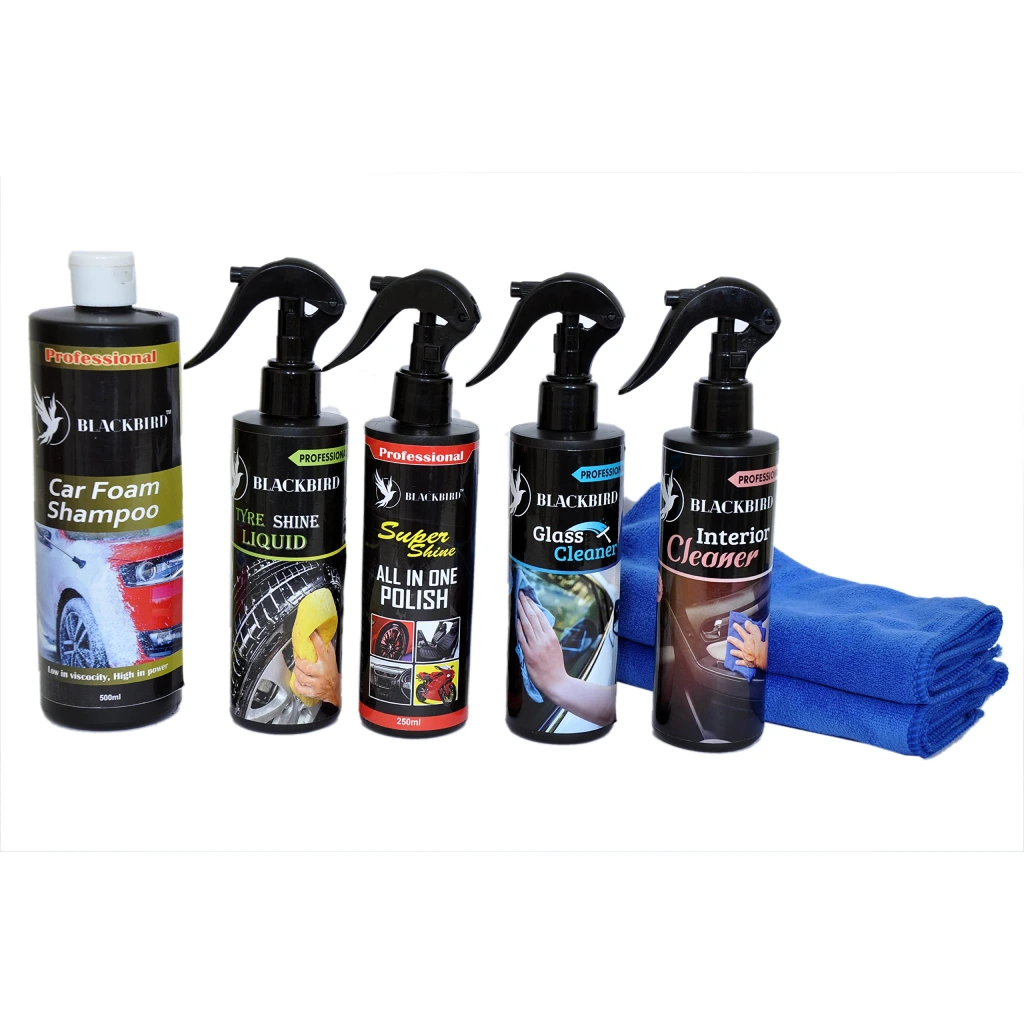
BLACKBIRD Products for Windshield Care
BLACKBIRD doesn't currently list a dedicated wiper-blade product in the Car Care category — but these products support the cleaning and maintenance side of windshield care that keeps your existing wipers performing well. Real products, live from blackbirdcare.shop/shop.
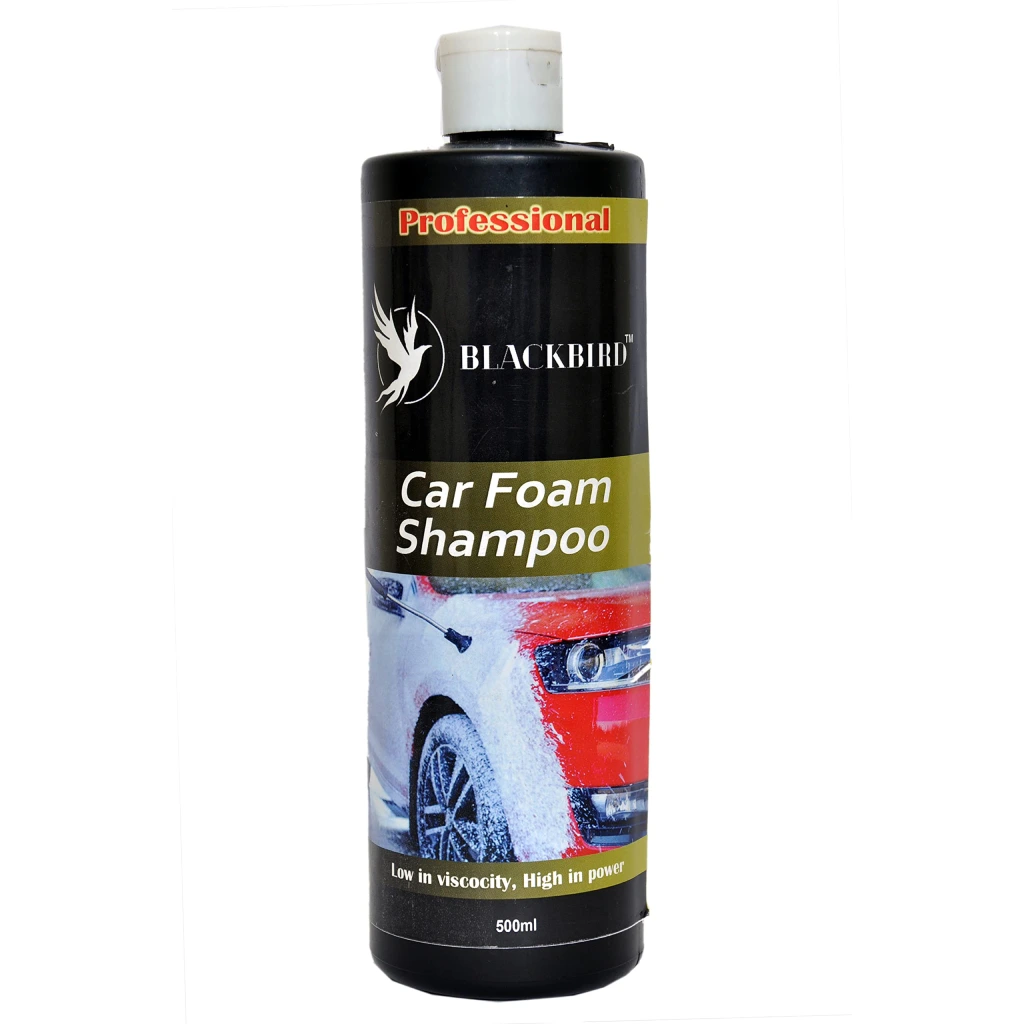
Why Build Your Windshield Care Routine Around BLACKBIRD
Your Trusted Destination for Car & Bike Care
BLACKBIRD offers high-quality cleaning, detailing and maintenance products designed to keep your vehicle looking its best — with a focus on quality, affordability and customer satisfaction.
These products won't replace a worn-out wiper blade, but a clean windshield and clean wiping edge is what lets a good blade actually do its job — and helps you correctly diagnose whether a problem is the glass or the blade before you spend on a replacement.
Frequently Asked Questions
There's no single interval that applies to every vehicle. Climate, sunlight, usage and blade quality all affect lifespan — inspect regularly and replace when you see signs of deterioration or poor performance.
Dirty glass, contaminated blades, worn rubber or poor contact can all cause it. Clean the windshield and wiping edge first; if streaking continues, inspect the blade for wear.
Lift the wiper carefully and wipe the rubber edge with a clean microfiber cloth and an appropriate cleaning method. If the blade is cracked, torn or hardened, cleaning won't restore it.
Dirt and abrasive particles can contribute to premature wear and poor wiping — keep the glass clean and avoid running wipers across heavy dry dirt.
A suitable automotive glass cleaner and a clean microfiber cloth — BLACKBIRD's Car Glass & Surface Cleaner 250ml is one option in the Car Care range.
It's better to use a product made for automotive glass and follow its instructions — some household products contain ingredients that aren't ideal for certain automotive surfaces.
Dirty glass, dirty blades, dry glass, worn rubber or incorrect contact are the usual causes. Clean the glass and blade first; inspect the mechanism if it continues.
Often practical since both experience similar conditions — but inspect each blade and follow your manufacturer's recommendations.
Not necessarily — correct vehicle compatibility, appropriate size, suitable design, quality and proper maintenance matter more than price alone.
Build Your Windshield Care Routine
Genuine BLACKBIRD glass and exterior-care products — the routine that keeps whatever blades you're running actually performing, delivered straight to your door.
Genuine Products · Direct From BLACKBIRD · Pan India Delivery